Tawkify's Long-Distance Data: A Mirage or Missed Opportunity?
·6 min read
65% of survey respondents would pursue long-distance relationships, with 84% prepared to relocate for the right partner
Social media emerged as the top channel where long-distance relationships originate, cited by 26% of respondents
Nearly 70% require a strong emotional connection before considering distance, with only 27% willing to start on 'an adventurous whim'
Only 35% trust long-distance setups as much as local relationships, with lack of physical intimacy (29%) cited as the primary barrier
Mainstream dating apps have spent a decade optimising for the single within a 10-mile radius. According to new survey data from matchmaking service Tawkify, they may be ignoring a sizeable segment willing to date across state lines—or even continents. The numbers arrive at a curious moment for an industry that has built its entire product infrastructure around geographic proximity.
Match Group, Bumble, and every major platform max out swipe radius settings at 100 miles. Algorithms prioritise the nearby. The assumption has always been simple: daters want someone they can meet for drinks on Thursday, not someone requiring a flight booking and annual leave.
Couple using technology for long-distance communication
Yet the Tawkify data—alongside similar findings from Social Discovery Group's 2025 survey showing 71% interest in international connections—suggests that assumption may be outdated. Remote work normalisation since 2020 has fundamentally altered where people live and how often they're willing to travel. The question is whether this represents genuine demand shift or simply reflects how singles answer hypothetical questions when a matchmaking company asks them.
Enjoying this article?
Join DII Weekly — the dating industry briefing, delivered free.
The DII Take
The survey methodology matters more than the headline figure. Tawkify hasn't disclosed sample size, demographic breakdown, or how questions were framed—critical gaps given the company sells premium matchmaking services that benefit commercially from expanding geographic matching. The 84% relocation figure strains credulity and conflicts with typical relationship research showing moving decisions involve job markets, family ties, and financial considerations that romance rarely overrides alone.
Still, the directional signal aligns with observable market behaviour: niche platforms are already building for this segment whilst mainstream apps remain resolutely local. That's either a missed opportunity or a wise avoidance of a market smaller than survey respondents claim.
What the data actually shows
The Tawkify survey reveals daters aren't approaching long-distance casually. Nearly 70% said they'd require a strong emotional connection before considering distance, with only 27% willing to start on 'an adventurous whim'. Practical enablers matter: 32% cited remote work or flexible schedules as making travel feasible.
Barriers remain substantial. Respondents identified lack of physical intimacy (29%), emotional distance (27%), trust issues (25%), and communication challenges (22%) as primary obstacles. Scheduling visits topped logistical concerns at 31%. Trust levels lag significantly—only 35% trust long-distance setups as much as local relationships.
Person video calling on mobile device
Communication expectations vary wildly. Forty percent wanted multiple daily interactions, whilst 26% preferred a few weekly check-ins and 25% expected once-daily contact. Dealbreakers centered on effort: 56% cited lack of effort from the other person as non-negotiable, with 47% viewing insufficient communication similarly.
The relocation figure—84% willing to move for the right partner—held consistent across age groups, including Gen X and older. Sixty-nine percent expressed openness to reciprocal travel for high-quality matches. Interestingly, 59% would travel to another city to meet someone compared to 51% willing to host, suggesting daters prefer being the visitor rather than the destination.
Social media emerged as the top channel where long-distance relationships originate, cited by 26% of respondents. That figure underscores how connection formation increasingly happens outside purpose-built dating platforms—a persistent problem for operators watching engagement migrate to Instagram, TikTok, and Discord.
The product gap mainstream apps aren't filling
Tinder, Hinge, and Bumble have built matching algorithms optimised for local proximity. None offer meaningful tools for relationship-stage communication beyond basic messaging. No advanced scheduling features. No trust-building mechanics. No video integration beyond basic calling that users can access through a dozen other apps.
Niche platforms have spotted the gap. LiveStatus, Coupla, and iPassion already provide resources specifically for long-distance couples—addressing logistics and intimacy maintenance that mainstream apps ignore. These are tiny players by comparison to Match Group or Bumble properties, but they're solving for an actual use case rather than hypothetical expansion of the matching funnel.
The strategic question for major operators is whether long-distance tools represent genuine revenue opportunity or mission creep. Dating apps monetise acquisition, not relationship maintenance.
Adding features for established couples shifts the product focus away from the core loop that drives subscription and à la carte revenue. Operators have historically resisted this expansion—see Match Group's consistent refusal to build post-match relationship tools despite user requests spanning years.
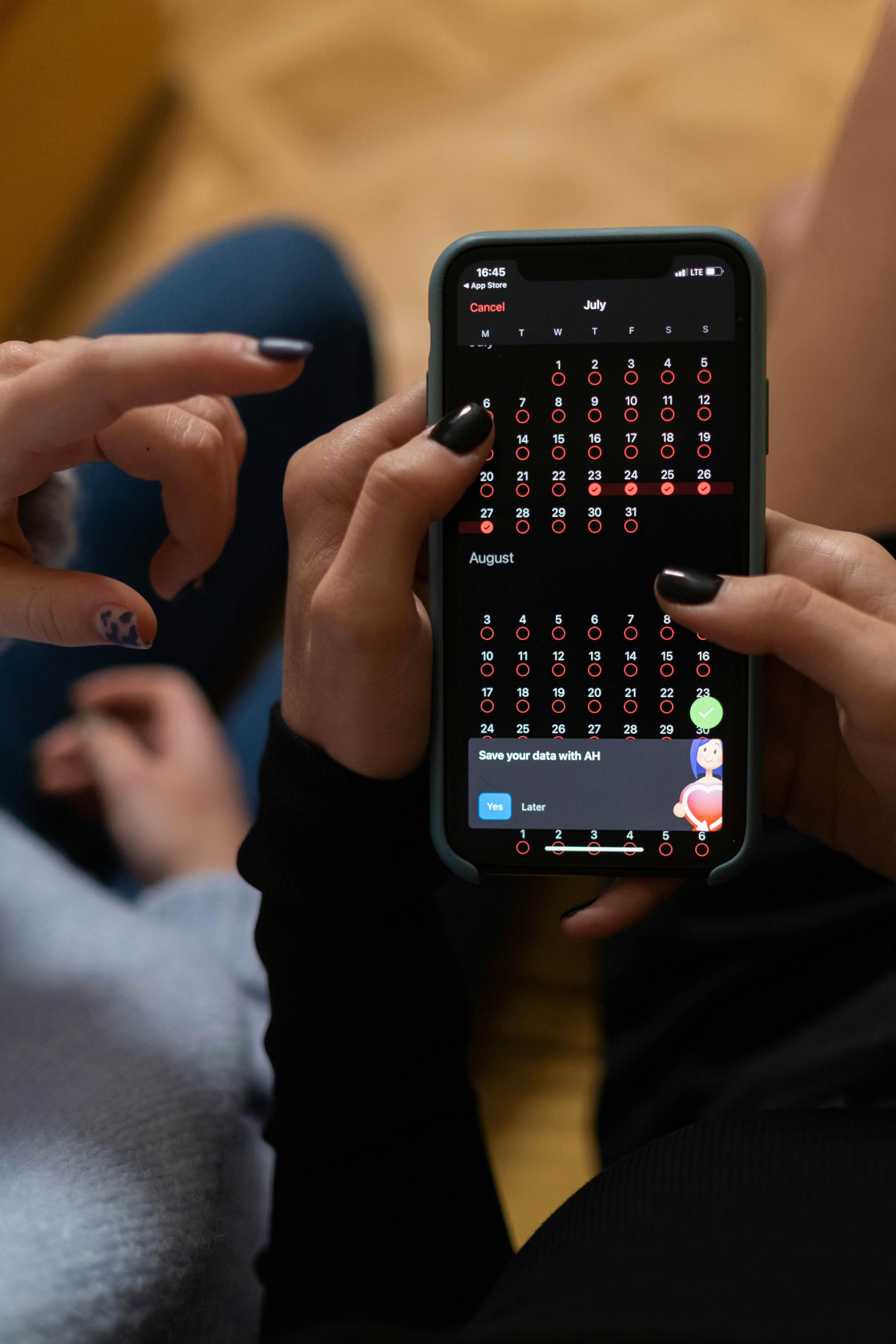
Smartphone displaying dating app interface
There's also the demographic question the Tawkify survey doesn't answer. Which singles are actually willing to pursue long-distance relationships, and do they represent valuable cohorts for monetisation? Premium subscribers skew older and more relationship-focused—precisely the segment claiming openness to relocation and travel. But converting that stated willingness into actual behaviour requires product investment with uncertain return.
What this means for operators
The data—qualified as it is—points to a tension between what daters claim they want and what they actually do. Survey respondents tell researchers they'd relocate for love. In practice, most singles still filter matches by neighborhood and rarely message anyone beyond easy driving distance.
For mainstream apps, the calculus likely favours staying local. Geographic proximity remains the strongest predictor of relationship formation. Building for long-distance edge cases risks diluting the core product and confusing the value proposition for the majority who want someone nearby.
Niche platforms face the opposite calculation. Serving long-distance couples exclusively means competing on relationship maintenance rather than acquisition—a smaller market, but one underserved by incumbents. The challenge is monetisation. Couples in established relationships churn from dating apps. Convincing them to pay for scheduling tools or video features requires solving problems compelling enough to justify subscription revenue.
The remote work angle deserves monitoring. If geographic flexibility continues normalising, the assumptions underlying proximity-based matching may genuinely erode over time. But three years post-pandemic, return-to-office mandates are increasing and location flexibility is contracting for many workers. The window may already be closing.
Watch whether any major platform experiments with expanded radius settings or pilots long-distance features in select markets. Match Group has the portfolio breadth to test this through a secondary brand without risking Tinder or Hinge positioning. Bumble's brand identity around women making the first move doesn't preclude geographic expansion. But neither company has signaled interest in moving beyond local matching, and the Tawkify data—methodology gaps and all—likely isn't enough to change that calculation.
The gap between stated willingness to pursue long-distance relationships and actual behaviour remains wide—mainstream operators are likely correct to prioritise local matching until evidence of behavioural change emerges
Niche platforms targeting relationship maintenance for established long-distance couples represent a separate market category from dating apps, with different monetisation challenges and lower ceiling potential
Remote work's impact on dating geography warrants monitoring, but the trend may already be reversing as return-to-office mandates increase and location flexibility contracts